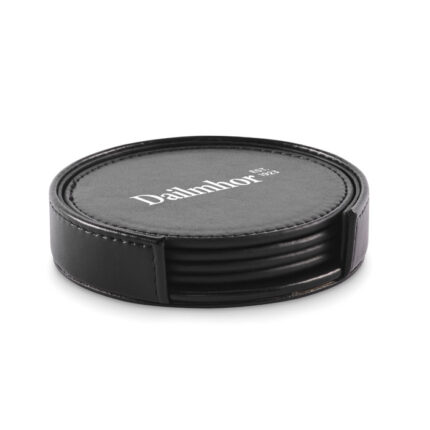
Pad printing is one of the most widely used techniques for printing on promotional products. This method allows logos, text, and graphics to be transferred accurately onto a wide range of materials and surfaces. Because of its flexibility, it is frequently used for branding corporate gifts and promotional merchandise.
One of the main advantages of pad printing is the ability to print on small, curved, or uneven surfaces. Unlike many other printing methods, pad printing can produce clear and precise results even on items with complex shapes. For this reason, it is commonly used on products such as pens, USB drives, and various small gadgets.
The process uses a special silicone pad that transfers ink from a printing plate onto the product. Due to the flexibility of the silicone material, the pad adapts easily to different shapes and ensures that the design is transferred evenly.
In the promotional product industry, pad printing is considered a standard solution for durable and professional product branding. Many companies rely on this technique to mark their promotional items with logos and brand elements.
How Pad Printing Works
The pad printing process involves several steps that allow the design to be transferred accurately onto the product. The first step is the creation of a printing plate, often made from metal or polymer, which contains an engraved version of the desired design.
Ink is then applied to the plate so that it fills the engraved areas. Any excess ink is removed from the surface, leaving ink only inside the engraved design.
Next, a silicone pad presses onto the plate and picks up the ink from the engraved sections. Thanks to its flexibility, the pad captures the design precisely.
In the final step, the pad presses onto the product surface and transfers the ink onto it. As a result, the logo or graphic appears clearly printed on the promotional item.
Advantages of Pad Printing
One of the biggest advantages of pad printing is its versatility. This printing method can be applied to many materials, including plastic, metal, glass, wood, and ceramics. Because of this flexibility, it is extremely popular in the promotional products industry.
Pad printing also enables highly detailed prints on very small surfaces. This is particularly important for items such as pens, lighters, and compact electronic devices where printing space is limited.
Another key benefit is the ability to print on curved or irregular surfaces. Many promotional items have unusual shapes, and pad printing allows high quality results even in such situations.
In addition, this printing method is relatively fast and cost effective for large production runs. This makes it a popular choice for companies that need to brand large quantities of promotional products.
Products Commonly Printed with Pad Printing
Pad printing is most often used for branding small promotional items. Examples include pens, keychains, USB drives, lighters, and various office accessories.
The method is also widely used for printing on electronic accessories such as chargers, headphones, and power banks. Since many of these products are made from plastic or metal, pad printing ensures accurate and durable results.
Beyond promotional merchandise, pad printing is used in many other industries. It can be applied to toys, medical devices, household items, and many other types of products.
Because of its precision and adaptability, pad printing remains one of the most widely used techniques for product decoration and branding.
Pad Printing in the Corporate Gift Industry
In the world of corporate gifts, pad printing plays a significant role. It allows companies to easily brand various promotional products with their logos.
Using promotional items with a company logo helps increase brand visibility. Each time the recipient uses the product, the brand becomes visible again and reinforces recognition.
Pad printing is particularly useful for products that offer limited space for printing. Its precision makes it possible to print clear logos even on very small surfaces.
For this reason, pad printing has become one of the most common branding techniques in the promotional product and corporate gift industries.
History of Pad Printing
Pad printing originated in the early twentieth century as an innovative technique for printing on ceramic and metal objects. Initially, it was mainly used in the ceramics industry, where it allowed manufacturers to decorate plates, cups, and other items with detailed designs.
As technology evolved, pad printing expanded into many other industries, including electronics, promotional merchandise, and corporate gifts. Its ability to print on irregular shapes made it particularly valuable for modern product branding.
Today, pad printing is used across numerous industries where printing on small, curved, or uneven surfaces is required. Its ability to transfer logos, graphics, and text with precision makes it an essential technique in the promotional product sector.
Thanks to its long history and continuous technological development, pad printing has become a standard method for reliable and high quality product branding.
Types of Ink and Materials Used in Pad Printing
Pad printing requires specialized inks that are selected according to the material being printed. Common options include UV inks, solvent based inks, and acrylic inks, each suited to different surfaces.
UV inks are known for fast drying and high resistance to wear, making them suitable for materials such as plastic and glass. Solvent based inks provide excellent adhesion on metal surfaces, while acrylic inks are versatile and work well on multiple materials.
In addition to choosing the right ink, selecting the appropriate product material is also important. Pad printing can be applied to plastic, metal, glass, ceramics, and even wood. Each combination of material and ink requires proper surface preparation to ensure a durable and clear print.
Ink colors can also be customized to match specific brand requirements, allowing full personalization of promotional products.
Pad Printing Compared to Other Printing Method
Pad printing is often compared with techniques such as screen printing or sublimation. Screen printing works best on large, flat surfaces, while pad printing excels on small and curved products.
Unlike sublimation, which is mostly used for textiles or specially coated ceramic surfaces, pad printing can be applied to a wide variety of materials and shapes. This makes it ideal for promotional items like pens, USB drives, and keychains.
The main advantage of pad printing lies in its versatility and precision, allowing high quality results even on very small surfaces. It is also efficient and cost effective for large production volumes.
Because of these advantages, pad printing continues to be one of the most popular printing methods in the promotional product and corporate gift industry.
Tips for High Quality Pad Printing
To achieve durable and precise results, it is important to use high quality pads and inks and to properly prepare the product surface. A clean and dry surface ensures better ink adhesion and a consistent print.
Choosing the correct pad size and shape is also important. A pad that is too large can distort the design, while a pad that is too small may not transfer all details.
Controlling pressure and positioning is another key factor. Each product should be placed correctly to ensure that the design is centered and visually appealing.
Regular maintenance and cleaning of pad printing equipment also help maintain consistent print quality and extend the lifespan of the machinery.
Examples of Products Suitable for Pad Printing
Pad printing is most commonly used for branding small promotional products with irregular shapes. Examples include pens, USB drives, keychains, lighters, glasses, and electronic accessories.
These items often have small or curved surfaces, which makes them ideal for pad printing. The flexible silicone pad allows accurate printing even on unusual shapes that other printing methods cannot handle.
Pad printing is also useful for personalizing corporate gifts and promotional items with logos or graphics that remain durable and visually appealing.
Because of its versatility and precision, pad printing is still considered one of the best techniques for branding products in the corporate and promotional market.
Promotional Products Suitable for Pad Printing


4000 mAh Power Bank Type C POWERFLAT C
8,02 €


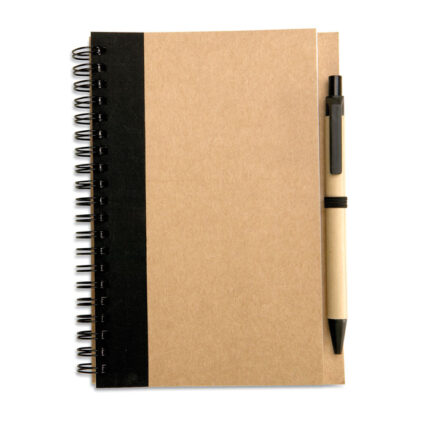


Double wall bottle 500 ml ATHENA
6,26 €





Recycled leather A5 notebook ARPU
2,71 €